

CCI Topic (1) | Understanding Container Sealing Integrity: The 'Gatekeeper' of Drug Safety
May. 27, 2026
An injection may undergo months or even years of storage and transportation from production to final injection into the patient's body. What silently safeguards its safety and effectiveness during this process?
The answer is - container sealing integrity.
Simply put, Container Seal Integrity (CCI) is the ability of a packaging system to prevent leakage of contents, microbial invasion, and the entry of external gases (such as oxygen, water vapor) or other substances.

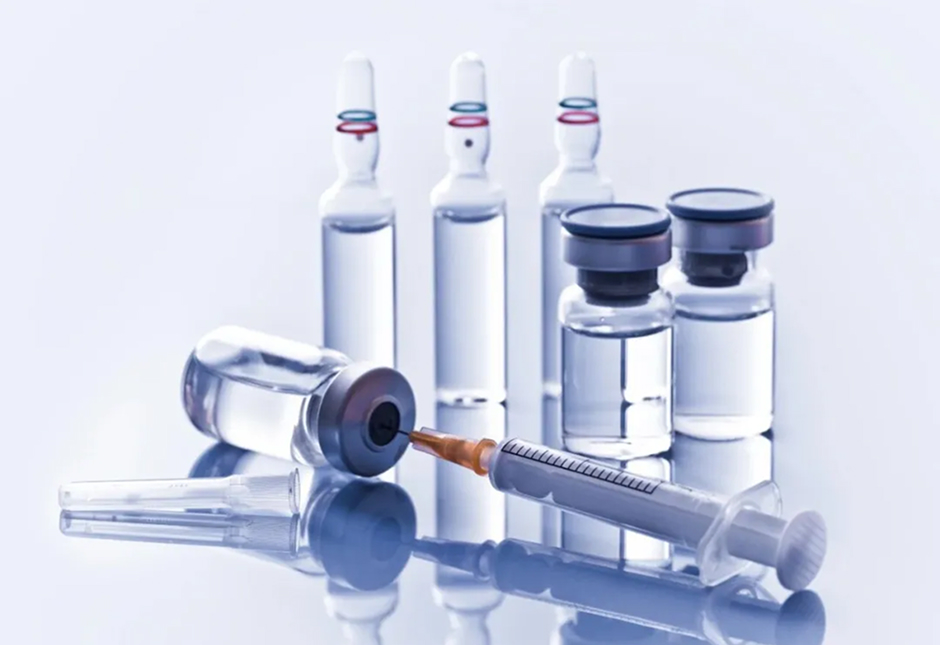
Why is sealing integrity so important?
If there is a tiny gap between the cap and mouth of an injection bottle, so small that you cannot see it with the naked eye. This gap is enough for bacteria to "slip" in and contaminate the entire bottle of medicine. Once patients use such products, the consequences are unimaginable.
Therefore, sealing integrity is the "lifeline" of sterile drugs. Once it fails, it not only destroys the sterile state of the drug, but may also cause changes in the drug's composition, and even lead to drug leakage and environmental pollution. From a regulatory perspective, global drug regulatory agencies are increasingly valuing seal integrity, which often becomes a "missing item" in drug applications or a "defect item" in inspections. It can be said that ensuring the integrity of the seal is a core element in maintaining drug efficacy, ensuring patient medication safety, and meeting global regulatory requirements.
From 'must do' to 'how to do'
Since sealing integrity is so important, what are the regulatory requirements?
EU GMP Aseptic Appendix 1
The EU GMP Aseptic Appendix 1 provides clear and distinguishable requirements for container sealing integrity testing. It first divides containers into two categories:
For melt sealed packaging (such as glass ampoules, BFS), a 100% integrity test must be conducted, and it must be clearly stated that visual inspection itself cannot be used as an acceptable sealing test method.
For non melt sealed sealing systems such as penicillin bottles and pre filled syringes, sampling testing can be conducted, but their integrity assurance must rely on fully validated assembly processes, supplier management, strict process control, and risk-based scientific sampling plans for testing.
The EU GMP Aseptic Appendix 1 provides clear and distinguishable requirements for container sealing integrity testing. It first divides containers into two categories:
United States Pharmacopeia USP<1207>
The USP (1207) chapter of the United States Pharmacopeia is one of the most detailed technical guidelines for container seal integrity testing.
The core content lies in systematically dividing testing methods into two categories: probabilistic methods (such as microbial challenge method and colorimetric method) and deterministic methods (such as vacuum attenuation method, laser headspace analysis method, etc.). It is strongly recommended to prioritize deterministic methods with high sensitivity, objective and quantifiable results at all stages of the product lifecycle, including development validation, commercial production, and stability research.
USP<1207 provides detailed guidance for companies on how to select appropriate testing methods based on product packaging characteristics, and emphasizes the importance of method validation, requiring that the validation content must include whether the method can reliably detect defects within the maximum allowable leakage limit of the product. It provides a comprehensive technical framework and decision-making basis for establishing and maintaining a scientific and robust container sealing control system.
China NMPA Guidelines
The "Technical Guidelines for Sealing Research of Chemical Drug Injection Packaging Systems (Trial)" have also been released domestically, marking the increasingly strict regulation of this field in China.
These regulatory guidelines together send a signal that seal integrity is no longer an optional option, but an essential part of drug quality control.
In the following content of this topic, we will explore how to establish a full lifecycle sealing control strategy from design, process to testing, and how to choose the most suitable testing method. Stay tuned!
Related News
-
Vial Integrity Testing vs. CCIT: What's the Difference?
Sep. 28, 2026
-
Vacuum Decay Leak Testing vs. Helium Leak Testing
Sep. 25, 2026
-
How to Test Lyophilized Vial Seal Integrity
Sep. 25, 2026
-
When Should You Add Headspace Analysis to a Pharmaceutical CCIT Program?
Sep. 24, 2026
Related Products


