

How to Choose a Helium Leak Detector for Sterile Pharmaceutical Packaging
Oct. 12, 2026
Choosing a Helium Leak Detector for pharmaceutical packaging starts with the package, the defect you need to detect, and the test method your quality system can validate—not with the smallest detection-limit number on a brochure. For sterile vials, syringes, or other containers, compare helium leak testing methods, container closure integrity testing (CCIT), and tracer-gas requirements before selecting a mass spectrometer, chamber, and operating range. The right setup supports a defensible leak-rate result; it does not replace a product-specific acceptance criterion.
Evidence note: A genuine customer story requires a source that can be checked. No customer records or independently verifiable case details were provided for this article, so it does not present an invented personal story or performance result. The worked example below is explicitly an illustrative workflow, not a reported customer outcome.
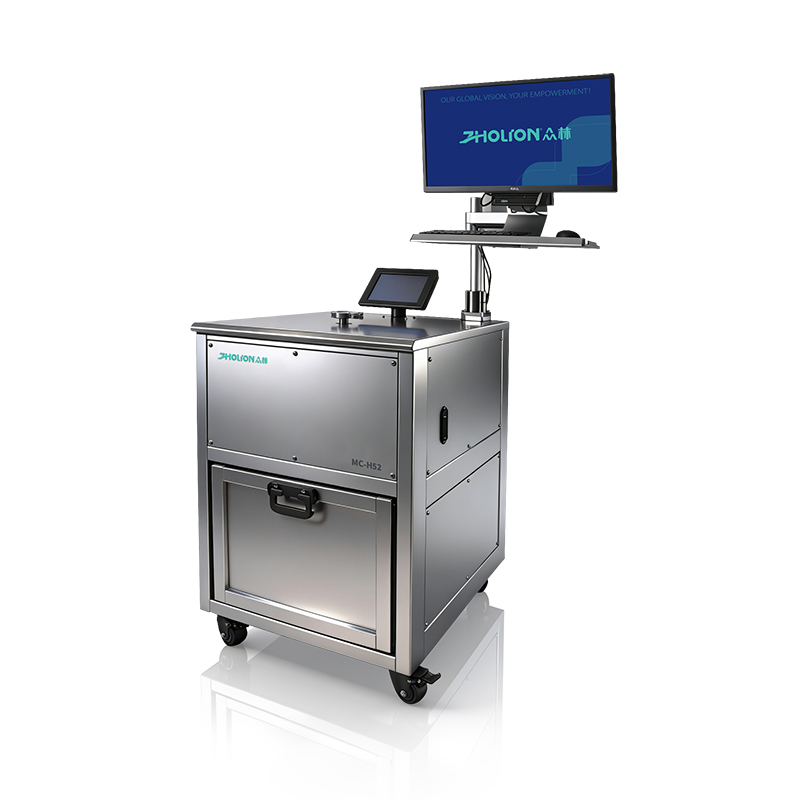
A detector is only one part of a package-integrity test system. The package, helium loading method, test chamber, vacuum system, software, calibration approach, and validated procedure all influence the result. A detector may have a highly sensitive instrument specification yet fail to produce a useful package-level result if helium escapes during transfer, the chamber leaks, the sample outgasses, or the method cannot distinguish the target defect from background.
For sterile products, connect the test decision to the container closure integrity strategy and the product’s quality risk assessment. USP General Chapter <1207> provides a framework for package integrity evaluation for sterile products; ASTM F2391 describes a helium-tracer method for measuring package and seal integrity. Check the currently applicable editions and your organization’s regulatory and quality requirements before relying on a standard.
How to Choose a Helium Leak Detector for Pharmaceutical Packaging
- Package type: Document whether you are testing a vial, prefilled syringe, cartridge, blister, pouch, or another format. Record its material, geometry, closure design, and expected headspace.
- Test objective: Decide whether the method is for development, process characterization, investigation, routine monitoring, or a validated release-related use. The intended use affects sampling, method controls, and documentation.
- Defect question: Define the leak pathway or defect range the method must detect. Do not substitute an instrument’s best-case sensitivity for a justified package acceptance criterion.
- Production conditions: Consider line speed, sample handling, package temperature, product residue, and whether units can be destructive-tested.
Start with the package and test objective
In a typical helium-tracer method, helium is introduced into or around the package under defined conditions. The test chamber is evacuated, and a mass spectrometer measures helium entering the detector. The exact sequence depends on the method and package design. A vacuum-chamber approach is not automatically suitable for every package, especially if the package deforms under vacuum or the product and materials create excessive background.
A sniffing method can locate helium escaping from an accessible area, but it requires a controlled tracer-gas application and probe technique. It is often more useful for locating a leak than for establishing a package-level quantitative acceptance result unless the complete method has been designed and validated for that purpose. Select the method based on the measurement question, not familiarity with the instrument.
Match the method to the package
Prepare the protocol and test system before purchasing equipment or testing production samples. This avoids choosing a detector that cannot accommodate the package, chamber, required test sequence, or documented acceptance logic.
Required Preparation for Helium Leak Testing
- Representative production packages, including the intended container, closure, and product or a justified surrogate.
- A defined helium charging or exposure method, with controlled pressure, exposure time, and transfer conditions where applicable.
- A detector with a helium mass spectrometer, suitable vacuum system, and a measurement range appropriate to the validated method.
- A package-specific chamber that seals without damaging or masking the test article.
- A traceable leak standard or other reference device suitable for the instrument and test configuration, plus the procedure for checking it.
- Helium supply and regulator compatible with the method, appropriate tubing and fittings, and a way to control and record gas conditions.
- Written procedures for sample conditioning, loading, test sequence, background checks, calibration or verification, cleaning, and data review.
- Risk assessment and safety controls for compressed gas, vacuum equipment, oxygen displacement, and any product-specific hazards.
Materials, tools, and prerequisites
There is no universal helium leak-rate pass limit for all sterile pharmaceutical packages. Establish the acceptance criterion through a product- and package-specific rationale, supported by the intended use, quality risk assessment, method capability, and applicable regulatory expectations. Define and control the parameters that affect the result, including helium pressure or concentration, exposure time, delay between exposure and measurement, test-chamber pressure, measurement time, sample orientation, and instrument background.
Use the leak-rate units required by the method and report them consistently. Mass-spectrometer systems commonly report helium leak rate in units such as mbar·L/s, but a displayed value is meaningful only in the context of the test setup, calibration, and validated method. Do not compare values from different methods as if they were interchangeable.
Define the parameters before testing
Step-by-Step Helium Leak Detector Selection and Setup
Tools: Package drawings, closure specifications, product risk assessment, and the proposed CCIT protocol.
Action: Describe the package, test purpose, relevant defect pathway, measurement output, and decision the result must support. State whether the test must quantify a leak rate, detect a defined challenge, or locate a leak.
Parameters: Set the required package configuration, sample state, method conditions, reporting units, and acceptance logic in the protocol. Use a justified criterion rather than an unverified catalog specification.
Check: Confirm that quality, microbiology or sterility assurance, packaging engineering, and the laboratory agree on what a passing result means.
If it fails: If teams cannot agree on the defect or acceptance logic, pause instrument selection. Resolve the risk question and method purpose first; otherwise the equipment may be sensitive but unsuitable for the decision.
Step 1: Write the measurement requirement
Tools: Package samples, a proposed chamber, helium supply, and a method-development plan.
Action: Compare the candidate tracer-gas sequence with the package design. Decide how helium reaches the suspected leak path and how released helium is collected by the detector. Consider whether the test is destructive and whether vacuum affects package shape.
Parameters: Define helium concentration or pressure, exposure duration, post-exposure delay, chamber conditions, and the measurement window through controlled experiments or an approved protocol. Do not borrow settings from a different container without demonstrating suitability.
Check: Test intact controls and appropriate known-challenge samples. Confirm that the method distinguishes them under the intended handling conditions.
If it fails: If background overlaps the challenge response, investigate helium retention, material permeability, chamber leakage, transfer delay, and sample outgassing. Revise the method or evaluate another CCIT technology rather than simply increasing detector sensitivity.
Step 2: Select the helium introduction and measurement method
Tools: User requirement specification, supplier technical documents, and a list of representative package formats.
Action: Review the helium mass spectrometer, vacuum pump capacity, test chamber, valves, controls, data export, alarms, and service support as one system. Ask the supplier to demonstrate the proposed setup using your package or a representative challenge.
Parameters: Match the instrument’s usable measurement range, response behavior, chamber volume, sample throughput, and interface requirements to the method. Request stated operating conditions and evidence supporting quoted detection limits.
Check: Confirm that a calibrated or traceable leak reference can be tested through the same relevant flow path as the package. Verify that the system can record the required raw result, test conditions, unit identification, and audit trail if required by your quality system.
If it fails: If a supplier quotes a sensitivity without test conditions, clarify the conditions and ask for an application demonstration. Do not assume the brochure value is the detection capability of your complete package method.
Step 3: Specify the detector and system—not just the sensor
Tools: Production-representative chambers, blanks or intact controls, approved leak reference, and cleaning materials compatible with the package.
Action: Install the chamber as instructed, check seals and connections, and run background and reference checks. Confirm that sample loading does not pinch, scratch, compress, or contaminate the package.
Parameters: Record chamber identity, chamber configuration, background, reference response, and any stabilization period specified in the procedure.
Check: Verify repeatable response to the reference and acceptable background using pre-established method criteria. Confirm that intact controls do not produce a false failure under the normal sequence.
If it fails: Isolate the chamber, fittings, valves, chamber seals, and sample handling one at a time. Repair or replace the source of leakage or contamination, then repeat the checks. Do not correct a system leak by changing the product acceptance limit.
Step 4: Qualify the chamber and control background
Tools: Protocol, sample sets, intact controls, known-challenge samples, detector records, and statistical tools appropriate to the validation plan.
Action: Evaluate method suitability, repeatability, intermediate precision where relevant, discrimination between intact and challenged samples, robustness to normal handling variation, and the effect of package configuration.
Parameters: Predefine sample selection, replicate plan, challenge preparation, test conditions, data treatment, invalid-test rules, and acceptance criteria. The number of samples and statistical approach must be justified in the approved protocol; there is no single sample count suitable for every application.
Check: Confirm that the method consistently detects the defined challenge while controlling false positives and background variation. Ensure the final procedure reflects the actual production package and intended testing location.
If it fails: If results depend strongly on operator, delay, orientation, or sample conditioning, tighten the procedure or redesign the chamber and repeat validation. If the method cannot discriminate reliably, assess an alternative deterministic CCIT method.
Step 5: Develop and validate the package-specific method
Tools: Approved SOP, training records, reference device, maintenance schedule, and controlled result forms or electronic records.
Action: Train operators on sample identification, loading, helium handling, test sequence, invalid runs, cleaning, and escalation. Schedule reference checks and maintenance according to the instrument instructions and site procedures.
Parameters: Use only approved method settings. Record package and lot identification, operator, date, instrument and chamber IDs, test settings, background and reference-check status, result, and deviations as required by the quality system.
Check: Review trends in background, reference response, invalid tests, and package results. Confirm that changes to packaging materials, closure components, chamber design, or software are assessed for impact on the validated method.
If it fails: Stop testing when a required system check is outside its approved criterion. Quarantine affected results as defined by the SOP, investigate the cause, document the impact, and resume only after an authorized return-to-service decision.
Step 6: Establish routine operation and review
Illustrative Helium Leak Testing Workflow
Consider a packaging laboratory evaluating a sealed sterile container. This is a workflow example only, not a verified customer case or a claim of measured performance.
- The team identifies the exact container and closure configuration and defines the CCIT question in its protocol.
- Packaging and quality staff select a helium-tracer sequence and determine whether the package tolerates the required pressure and vacuum conditions.
- The lab checks instrument background and response using the approved reference, then tests intact controls and known-challenge samples.
- Staff compare results against criteria established in the approved method, investigate ambiguous or invalid runs, and document the disposition.
- Before routine use, the organization validates the procedure for the intended package and updates training and change-control records.
This sequence illustrates why detector selection cannot be separated from method development. A real case study should include verifiable context—such as the package type, test purpose, protocol basis, and authorized results—and should not disclose confidential product information without permission.
Common Helium Leak Detector Errors and Fixes
Choosing by the advertised detection limit alone
Problem: A detector specification is mistaken for validated package-method capability.
Fix: Request the conditions behind the specification, then demonstrate system performance using the intended chamber and representative packages. Set method capability criteria before routine use.
Using a generic leak-rate limit
Problem: A value from another product or test method is applied without a product-specific rationale.
Fix: Establish an acceptance criterion through the applicable quality risk assessment and validated method. Keep the test result, product risk rationale, and regulatory basis linked in controlled documentation.
Ignoring helium background and material behavior
Problem: Residual helium, permeation through package materials, outgassing, or room contamination obscures the package response.
Fix: Standardize sample conditioning and transfer time, monitor blanks and intact controls, and investigate background sources systematically. Evaluate whether the package material makes the selected method unsuitable.
Using a chamber that changes the package
Problem: Excessive clamping, a poor seal, or inconsistent positioning creates damage or variable results.
Fix: Design and qualify a package-specific chamber. Confirm that loading is repeatable and does not deform or obstruct the closure or suspected leak path.
Treating a sniffing survey as a validated quantitative package test
Problem: Probe distance, speed, and helium application vary, so readings are not comparable.
Fix: Use a controlled procedure with defined probe technique and calibration checks. If the decision requires package-level quantification, validate the complete approach or select a method designed for that purpose.
Changing settings without change control
Problem: Adjusting pressure, exposure, timing, or software settings changes method performance without assessment.
Fix: Route changes through the site’s change-control process, assess validation impact, and retrain operators where necessary. Keep the approved method settings controlled.
Safety and Quality Considerations for Helium Leak Testing
- Secure compressed-gas cylinders and use regulators and connections rated for the intended service.
- Assess ventilation because released helium can displace oxygen in an enclosed space. Follow site rules and applicable occupational safety requirements.
- Follow equipment instructions for vacuum systems, electrical components, service access, and venting.
- Keep product protection and contamination controls in place. Do not return destructively tested or exposed samples to saleable inventory unless an approved procedure explicitly permits it.
- Maintain instrument service, calibration or verification records, training, deviations, and validation documentation under the applicable quality system.
Where Zholion Fits in the Selection Process
Zholion can be included in a supplier evaluation when you are comparing helium leak detection equipment or discussing a package-specific test setup. Ask any supplier—including Zholion—to explain the proposed method, chamber compatibility, reference-check procedure, operating conditions behind performance claims, data records, service arrangements, and support for application trials. Verify claims against your user requirements and qualification results; brand selection does not replace independent method validation.
Summary: Choosing a Helium Leak Detector for Sterile Packaging
Choose a helium leak detector by working backward from the sterile package and the quality decision: define the defect question, select a suitable tracer-gas method, specify the complete detector-and-chamber system, control background, validate performance with appropriate controls, and establish routine checks. Use USP <1207> and ASTM F2391 as relevant references while confirming current editions and applicability. The defensible outcome is not a brochure number; it is a documented, package-specific method with justified criteria, traceable checks, trained operators, and controlled change management.
Related News
-
How Should CCIT Be Evaluated for Cold-Chain Products?
Oct. 27, 2026
-
When Should Packaging Changes Trigger CCIT Reassessment?
Oct. 27, 2026
-
Achieving Sub-Micron Leak Detection with Helium Method
Oct. 22, 2026
-
Pharmaceutical Leak Detector Trends: Automation, Data Integrity and Smart QC Testing
Oct. 12, 2026
Related Products


